

Blog
Witness the Miracle of the Wildebeest Calving Season in Tanzania
If there’s one safari experience that captures the raw beauty of the African wild, it’s the wildebeest calving season in Tanzania. Every year, between late January and early March, over half a million wildebeest give birth on the sweeping plains of the southern Serengeti and the Ndutu region. It’s a breathtaking sight that blends the wonder of new life with the drama of survival in the wild.
Here’s what makes the wildebeest calving season such a powerful and unforgettable experience.
A Serengeti Phenomenon Like No Other
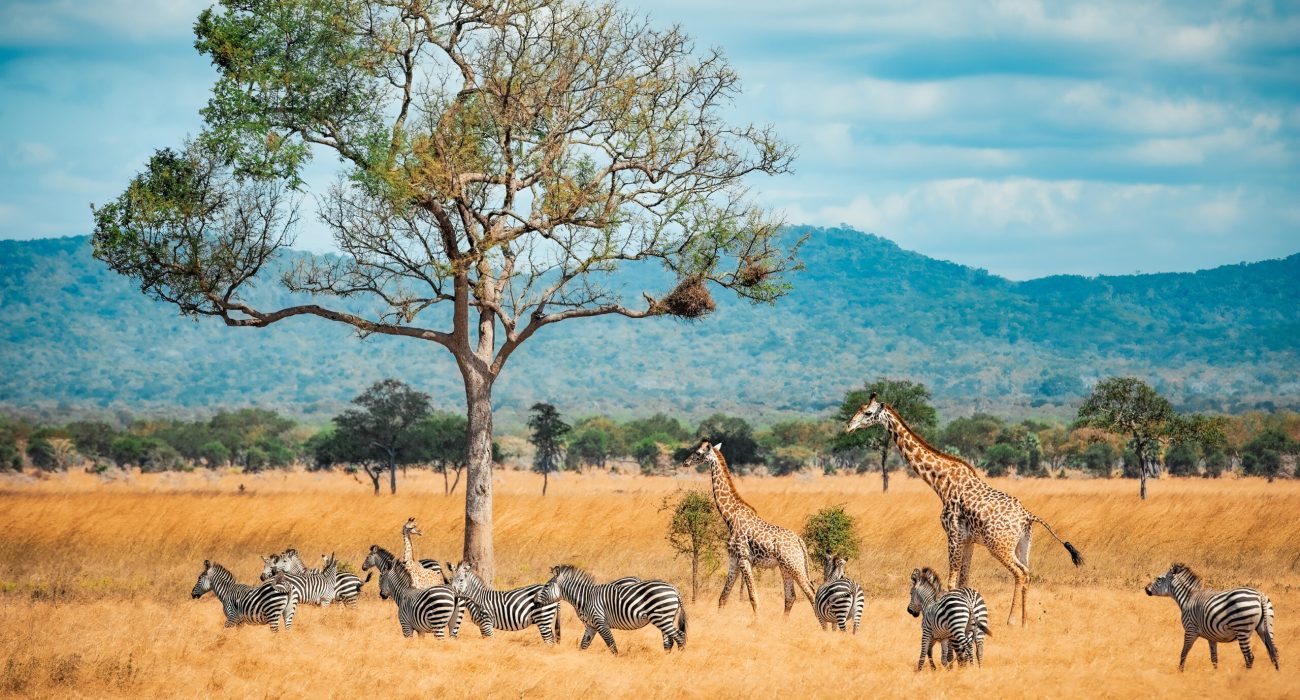
The calving season is part of the larger Great Migration, but it has a unique rhythm of its own. During this time, the herds pause their long journey to take advantage of the rich, short-grass plains. The land is lush and green after the seasonal rains, providing essential nutrients for lactating mothers and growing calves.
What’s astonishing is the scale and timing. Around 8,000 wildebeest calves are born each day during the peak. Most are on their feet and running within minutes—an incredible instinct that helps them evade predators from the moment they enter the world.
Predator Action at Its Most Intense
Where there are young and vulnerable animals, predators follow. Lions, leopards, hyenas, and cheetahs all take advantage of the opportunity, knowing that newborns are easy targets. This creates some of the most intense and emotional wildlife encounters you can witness on safari.
But don’t let that scare you off… this is nature in balance. The calving season isn’t just about predation; it’s also about the resilience and instincts of a species that has been making this journey for centuries.
Incredible Photography Opportunities
The dramatic contrast of life and survival makes this season one of the most rewarding for wildlife photography. You’ll see mothers bonding with their calves, tense moments of predator-versus-prey, and sweeping vistas of green grasslands dotted with thousands of animals. Early mornings bring soft light and misty horizons, ideal for capturing striking, atmospheric shots.
Fewer Crowds, Deeper Connection
Unlike the peak migration river crossings later in the year, the calving season sees fewer tourists. This means you can often enjoy sightings in peace, with more time to observe behaviors and soak in the landscape. The Ndutu region, in particular, is rich in wildlife and known for its intimate safari experiences.
A Front-Row Seat to the Circle of Life
What makes this season so moving is its emotional depth. It’s not just a spectacle—it’s a powerful reminder of nature’s cycles. You’ll witness life beginning in one of the wildest places on Earth, and see how every animal plays a role in the ecosystem. It’s humbling, thrilling, and often deeply personal.
Plan Ahead for the Calving Season
To catch this miracle in action, aim to visit between late January and early March. Mobile tented camps in the Ndutu and southern Serengeti areas offer prime access to the herds and are designed to move with the migration. Because availability is limited, it’s best to book your trip well in advance.
Final Thoughts
The wildebeest calving season is more than a safari—it’s an emotional journey into the heart of the African wild. From witnessing a newborn take its first steps to feeling the quiet awe of the plains at sunrise, this is one of those rare travel experiences that stays with you for life.
Thinking of going? Let this be the year you see one of nature’s greatest miracles unfold in person.
Come See It Before It Fades
Don’t just watch it on a screen.
Don’t tell yourself, “Maybe next year.”
Because nature doesn’t wait. And neither should you.
Will you answer?
Talk With One Africa Travel Expert
Ask a personalized quote for your incredible safari experience to a Africa Travel Expert
ASK A QUOTE